
Tinted Serum: Choose Coverage, Finish, and SPF
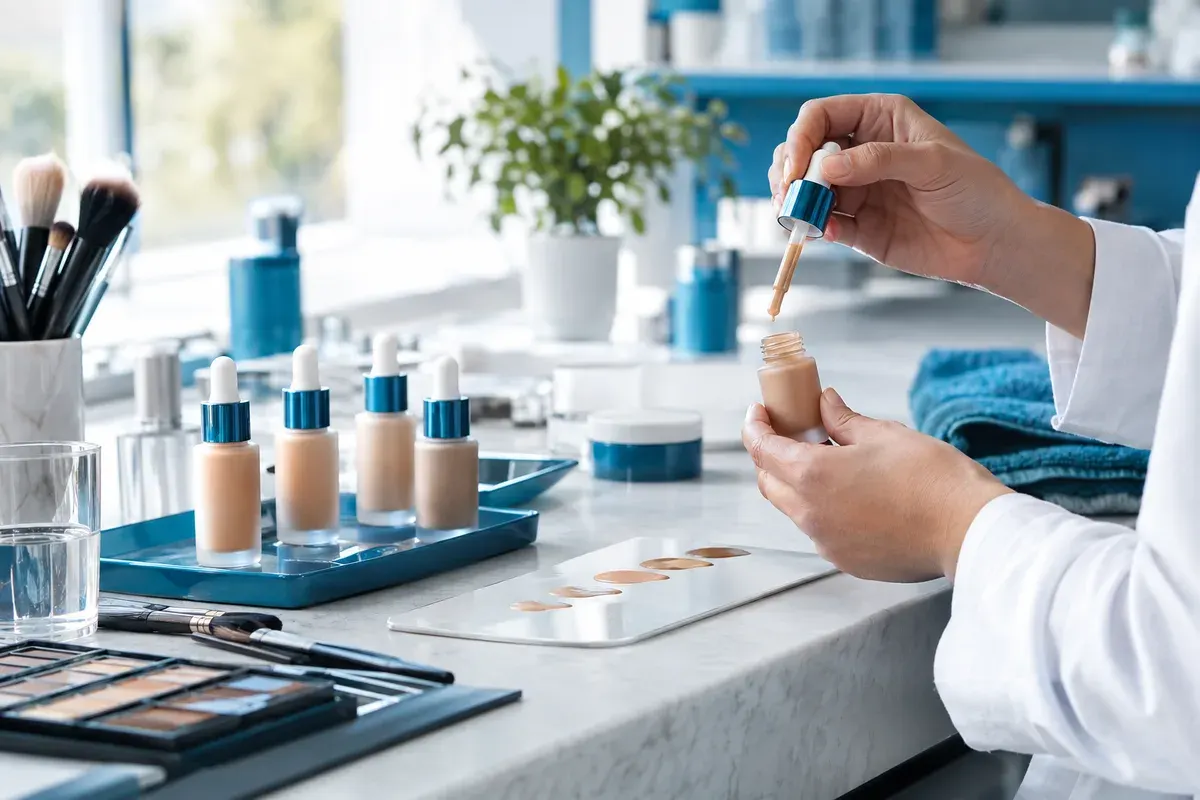
Tinted serum is a lightweight complexion product that combines skincare ingredients with sheer to light coverage. Choose it for subtle evening of skin tone rather than full concealment. The most useful buying criteria are coverage, finish, shade match, hydration, and sun protection: daytime protection should include broad-spectrum SPF 30 or higher.
Key takeaways
- Sheer coverage leaves freckles and discoloration visible; light coverage softens uneven tone.
- A hydrating formula and a dewy finish are different features.
- Match both shade depth and undertone along the jawline.
- A thin makeup layer does not provide the labeled SPF unless enough product is applied.
- Tinted serum has no universal wear time; formula, skin oil, and application affect longevity.
In this article
You want your complexion to look more even without feeling as though you are wearing a full face of foundation. A tinted serum suits that goal when its coverage, finish, and moisture level fit your skin; the word “serum” alone does not determine any of those qualities.
MDcube
Tinted serum types and what each suits
| Type | Main feature | Best fit |
|---|---|---|
| Hydrating | Humectants or emollients | Dry or dehydrated skin |
| Radiant | Visible glow | A luminous finish |
| Natural or soft-matte | Less surface shine | Combination or oily skin |
| SPF-containing | Color plus sunscreen filters | A routine with sun protection |
These categories overlap. One formula can be hydrating, radiant, and SPF-containing. “Blurring” describes a softened appearance of texture, not the removal of pores.
Five criteria that decide the choice
- Coverage: sheer tint subtly changes tone; light coverage softens unevenness. Neither reliably hides prominent spots.
- Finish: dewy reflects more light, natural resembles bare skin, and soft-matte reduces visible shine.
- Shade: match two dimensions, depth and undertone. Warm, cool, and neutral undertones can look different at the same depth.
- Hydration: hyaluronic acid attracts moisture, while glycerin helps hydrate outer skin layers. A humectant does not automatically make a formula rich or greasy.
- Sun protection: broad-spectrum SPF 30 or higher is the daytime baseline. Outdoor sunscreen reapplication is at least every two hours, and after swimming or sweating.
Mistakes that make a tint harder to wear
The biggest mistakes are expecting foundation-level concealment, choosing a lighter shade for brightness, and applying too little SPF-containing makeup for sun protection. A closer shade match looks more natural than an intentionally pale tint. Targeted concealer adds coverage without requiring a thicker layer everywhere.
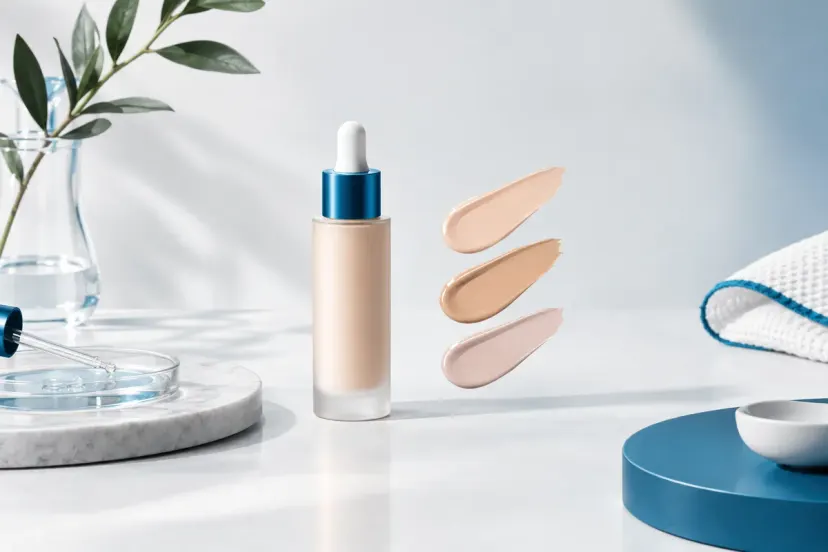
Explore the tone-up serum and shade collection
Keep your buying priorities in view: a compatible shade, the finish you enjoy, and enough coverage for your goal. “Tone-up” describes a brightening cosmetic effect, rather than treatment of the underlying cause of discoloration.
Tinted serum versus foundation and tinted moisturizer
| Product | Typical coverage | Main purpose | Feel |
|---|---|---|---|
| Tinted serum | Sheer to light | Subtle evening of tone | Usually fluid and lightweight |
| Tinted moisturizer | Usually sheer to light | Moisture plus color | Often lotion-like or creamy |
| Foundation | Sheer through full | Adjustable complexion coverage | Fluid, cream, stick, or powder |
The categories overlap substantially. A foundation can contain hydrating ingredients, and a tinted serum can leave a matte finish. The category name does not establish ingredient concentration, treatment strength, or wear time.
Choose tinted serum for a skin-visible result. Choose foundation when concealing discoloration across a larger area matters more than keeping coverage minimal. Tinted moisturizer suits someone who prefers a creamier color-and-moisture step.
Match the formula to your skin
Dry skin: a hydrating formula over moisturizer usually sits more comfortably than tint over tight, flaky skin. Radiance can make skin look fresher, but shimmer and hydration are not the same thing.
Oily or combination skin: a lightweight natural or soft-matte finish can reduce unwanted shine. Powder can stay limited to the forehead, nose, and chin rather than covering the entire face.
Acne-prone skin: prioritize a tolerable formula over a long list of fashionable ingredients. potentially irritating ingredients warrant caution, especially when a particular ingredient has caused problems before. “Noncomedogenic” is a useful selection cue, not a guarantee against breakouts.
Sensitive skin: fragrance-free formulas are a sensible starting point. Introduce one new product at a time and test a small area before full-face use. Burning, persistent redness, or itching are reasons to stop using it.
How to apply tinted serum
- Prepare the skin. Cleanse gently, then apply moisturizer if needed. A separate skincare serum can go before moisturizer and makeup.
- Apply sunscreen. Use broad-spectrum SPF 30 or higher as the final skincare layer before makeup. Let it settle before adding tint.
- Start thin. Place a small amount of tinted serum on the back of your hand. Drop size and formula thickness vary, so there is no universal drop count.
- Blend outward. Use clean fingers, a brush, or a damp sponge, working from the center of the face toward the hairline and jaw.
- Add coverage selectively. Pat another thin layer where needed, or use concealer on individual spots. Set shiny areas lightly with powder.
A sponge can absorb some product; fingers often make a fluid tint easy to spread. Avoid mixing sunscreen and tint together in your hand, because that can disrupt an even protective layer.
Show the data
| Step 1 | Prepare the skin |
|---|---|
| Step 2 | Apply sunscreen |
| Step 3 | Start thin |
| Step 4 | Blend outward |
| Step 5 | Add coverage selectively |
Frequently asked questions
What is the ideal skin type for tinted serum?
Any skin type can wear tinted serum when the formula suits it. Dry skin often benefits from added moisture, while oily skin may prefer a lightweight natural or soft-matte finish. Coverage preference matters as much as skin type.
Can tinted serum replace my daily moisturizer?
Yes, if the formula leaves your skin comfortably moisturized, but dry skin often needs a separate moisturizer. Tightness or visible flaking suggests the tint alone is not providing enough moisture.
How long does tinted serum typically last on the skin?
There is no universal wear time for tinted serum. Skin oil, sweat, rubbing, formula, and setting products all affect longevity. Cosmetic wear and sunscreen protection run on different schedules, so visible tint does not mean sunscreen protection is still adequate.
Is tinted serum suitable for sensitive skin?
Yes, a well-tolerated tinted serum can suit sensitive skin. Fragrance-free formulas and a small-area test are sensible starting points. A serum texture does not itself make a product gentler.
Do I still need sunscreen with an SPF tinted serum?
Yes, a separate broad-spectrum SPF 30 or higher sunscreen is the practical choice when you apply tinted serum in a thin makeup layer. An SPF-containing tint can provide its labeled protection only at the required application amount, with appropriate reapplication.
Sources
- Serums 101: A Dermatologist’s Guide to Picking the Perfect One for Your Skindermatocare.com
- PUR Minerals 4-in-1 Tinted Moisturizer Ingredients Reviewingredientvetter.com
- Beauty Product Ingredients That May Irritate Acnestratumclinics.com
Research and sources from Crush: AI marketing
Written with help from AI.
About MDcube
MDcube
Visit MDcube